
Explained
When should you see a cancer surgeon?
Seeing a surgical oncologist does not mean you have cancer. Often it means ruling it out properly.

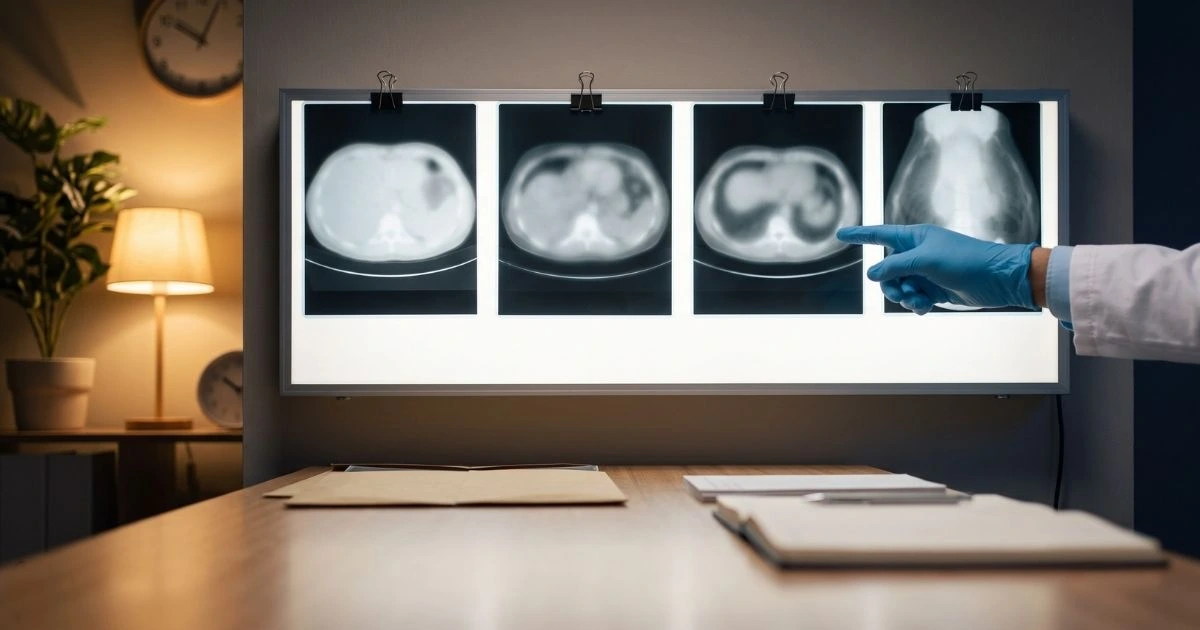
Seeing a cancer surgeon does not mean you have cancer
The title on the door frightens people, and that fear costs time. So it is worth being direct: a large share of the patients I see in clinic do not have cancer, and many come specifically so that it can be ruled out properly.
A surgical oncologist is a general surgeon with additional training in the diagnosis and surgical treatment of cancer. Part of that role is treatment. A large part of it is assessment — deciding what a lump, a symptom or a scan finding actually is, and arranging the right investigation to settle the question.
Coming for that assessment is not a statement about your diagnosis. It is how the diagnosis gets made.
Symptoms that warrant assessment
None of these means cancer. All of them mean the question deserves an answer rather than an assumption.
- A new lump anywhere — breast, neck, groin, armpit, abdomen — particularly one that is growing, hard, or fixed in place
- A breast change — a lump, skin dimpling, nipple retraction, or bloody nipple discharge
- Bleeding from the rectum, or a change in bowel habit lasting more than a few weeks
- Difficulty swallowing that is getting worse
- Persistent indigestion or early fullness, especially if new after the age of 40
- Unexplained weight loss
- Unexplained anaemia found on a blood test
- An ulcer or sore that will not heal
- A thyroid swelling, particularly with voice change or difficulty swallowing
- An abnormal scan finding picked up incidentally
A useful rule of thumb: symptoms that persist beyond a few weeks, that are progressing, or that are new in someone over 40 deserve a proper look.
Why it is worth going early
Two reasons, and both matter.
The first is the obvious one. For most cancers, the stage at which the disease is found has a substantial bearing on what treatment is possible and how well it works. Earlier assessment means earlier answers.
The second is less obvious but affects far more people. Most patients who come with these symptoms do not have cancer — and getting that confirmed ends months of quiet worry. I have seen patients carry a lump around for a year, afraid to have it looked at, only to be told in a single visit that it was harmless. That year was spent for nothing.
Not investigating does not make disease less likely — it only makes it later. The uncertainty is often worse than the answer, and in the majority of cases the answer is reassuring.
What to bring
A well-prepared visit is a much more useful visit.
- The actual films, not just the reports. Ultrasound images, CT plates, MRI discs. A radiologist's printed report is a summary; the images can be reviewed directly.
- All previous reports in date order. Blood tests, biopsies, endoscopy reports, discharge summaries.
- A current list of your medicines, including anything for blood pressure, diabetes, or blood thinning — and any herbal or over-the-counter preparations.
- A short written timeline. When the symptom started, how it has changed, what makes it better or worse.
- Family history. Any cancer in parents, siblings or children, and at what age.
- Your questions, written down. People forget them in the room — almost everyone does.
- Someone with you, if you would find that easier. Two people remember more than one.
What happens at the visit
The consultation follows a fairly predictable shape. History first — what the symptom is, how long, what has changed. Then examination. Then a review of whatever imaging and reports you have brought.
After that, one of a few things usually happens: reassurance and no further action; a plan for investigations to settle the question; or, if a diagnosis is already established, a discussion about treatment.
If a biopsy is recommended, it is worth knowing that this is a diagnostic step, not a verdict. Many biopsies come back benign, and the concern that a needle "spreads" cancer is a persistent myth without foundation.
You are entitled to ask what is being considered, why a particular test is being suggested, and what the possible answers would mean. A consultation should leave you with a clearer picture than you arrived with.
Common questions
Do I need a referral to see a cancer surgeon?
Not necessarily — you can book a consultation directly. If your GP or physician has already investigated, bring those reports and films, as they save repeating work.
Does seeing a cancer surgeon mean my doctor suspects cancer?
Not necessarily. Surgical oncologists assess lumps and symptoms that need to be characterised properly. Much of that work ends in reassurance.
Will I need a biopsy?
Sometimes. A biopsy is often the only way to determine what a lump actually is, and a great many come back benign. It is a diagnostic step, not a diagnosis.
Can a needle biopsy spread cancer?
No. This is a common fear but it is not supported by evidence. Biopsy is a standard, safe and necessary part of making an accurate diagnosis.
How quickly should I be seen?
For most of the symptoms listed above, within a few weeks is reasonable. For difficulty swallowing that is worsening, visible bleeding, or a rapidly growing lump, sooner is better.
What if the assessment finds nothing?
That is the most common outcome, and it is a good one. If symptoms persist or change afterwards, go back — a normal result at one point in time does not close the door permanently.
This article is general patient information and does not replace a consultation. If your symptoms are severe or getting worse, please see a doctor rather than relying on it.
Have a question about this?
Bring your reports to a consultation — often one visit settles it.